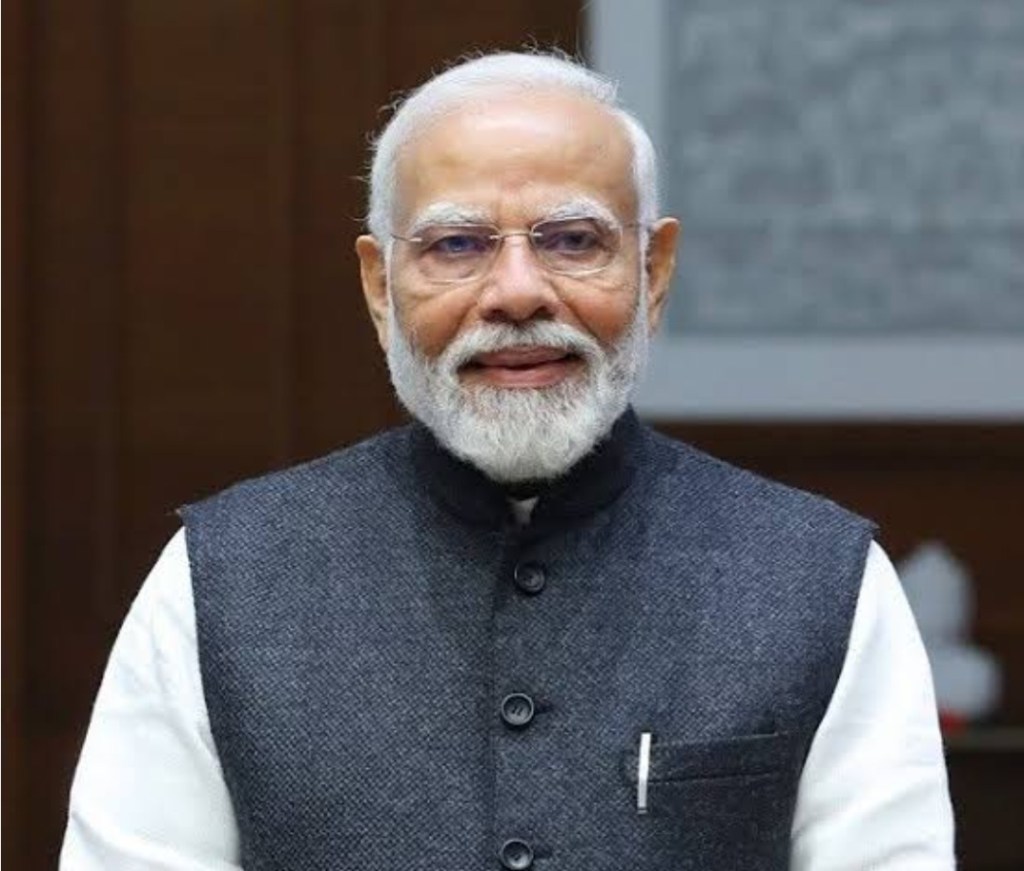
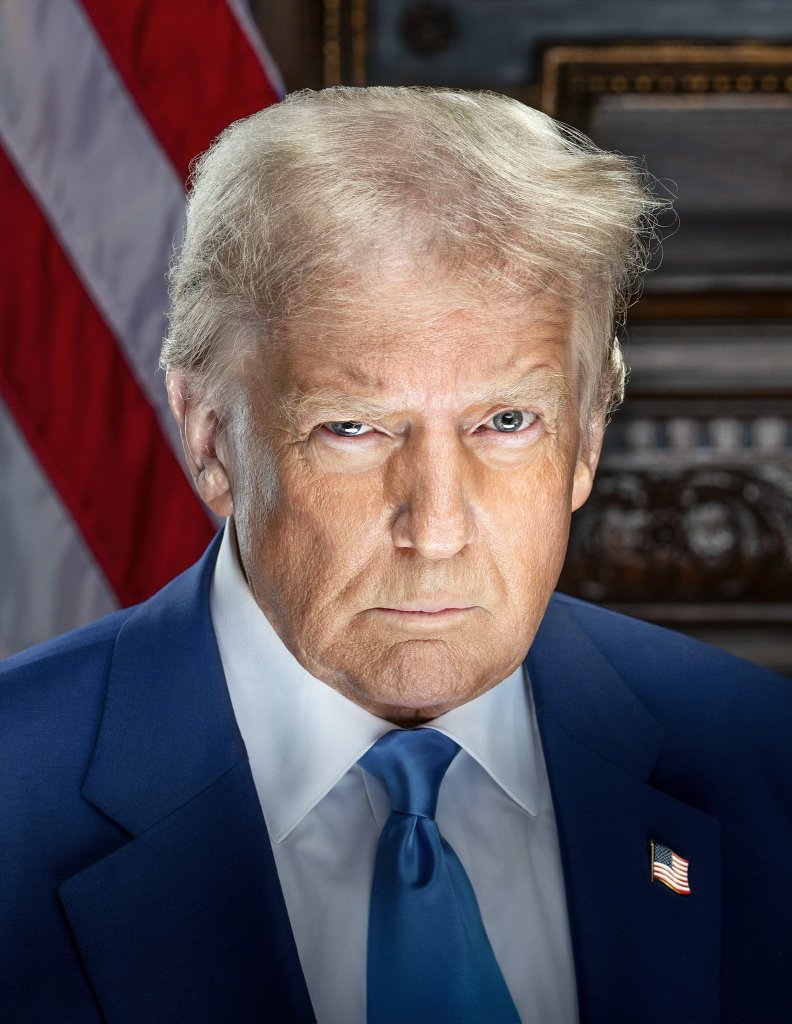
The new US-India trade deal – first announced by President Donald Trump and later endorsed by Prime Minister Narender Modi – might have consequential implications, not only for India alone, but for regional geopolitics and geo-economics as a whole.
Inside India, the deal has aroused a mixed reaction with Indian National Congress leader Rahul Gandi saying, ‘Modi sold the country.’
Yet, some experts have described it ‘strategically very important.’
Prime Minister Modi himself, while speaking at NDA PMs’ meeting Tuesday, February3, called the deal a ‘big decision.’
https://www.ptinews.com/story/national/india-us-trade-deal-a-big-decision-pm-modi-at-nda-mps-meet/3340297
Visibly the worthwhile economic gain in the deal for India is the reduction of US tariffs from 25% to 18%, which, seen at the alter of stopping oil imports from Russia (40 % of India’s total oil import), importing $500 billion worth of US goods, and reducing tariffs on American goods to zero %, does not look that much significant for New Delhi.
Lok Sabha, the lower house of Indian Parliament, witnessed rumpus on Tuesday, February 3 with MPs, like CPI(M) MP John Brittas saying:
“There is no clarification on the trade deal with the US even 20 hours it was done; Why was it done in the night? Is this House less important that Elon Musk’s X?”
One pro-INC X handle even dubbed the deal as ‘a shameful capitulation.’
However, many experts and analysts view the deal in the larger spectrum of regional geopolitics.
Finance and insolvency expert Manindra K Tiwari, while speaking about the deal, said,
“US sentiment of moving beyond confrontation and being in a deal-making mode is a significant achievement for India.”
For his part, while thanking President Trump for the deal, Modi said on his X handle: “President Trump’s leadership is vital for global peace, stability, and prosperity. India fully supports his efforts for peace. I look forward to working closely with him to take our partnership to unprecedented heights.”
Instant economic dividends of the deal – positive or negative – may not matter that much for a comprehensively bigger economy in the region. But over the course of time, it might have far-reaching geo-strategic implications for NewDelhi.
Friendship with Russia
By stopping oil import from Russia, New Delhi will not only lose a comparatively cheaper energy source but may also annoy an important geopolitical partner. In his X post, President Trump even said that the deal with India will ‘help end the war in Ukraine.’ However, by reviving partnership with the United States, India has certainly won an edge over Pakistan, its long-time arch rival in the region.
Pakistan Factor
This changed equation will do affect the balance of power in the Subcontinent, albeit depending upon the US posture towards Pakistan in the wake of this deal.
Post the May 2025 India-Pakistan war, the United States has been putting its eggs in Pakistan’s basket. In recent days, this partnership even reached the point that President Trump included Pakistan in the Gaza Board of Peace with expectations that Islamabad would also join the International Stabilization Force for Gaza and help disarm Hamas. However, the move turned sore last week when not only Islamabad refused to join the ISF but Pakistan and the other Muslim members of Gaza Board of Peace condemned Israel for its repeatedly violating the ceasefire in Gaza. In the very wake of this setback to President Trump’s ambitious drive for Gaza came the US-India trade deal.
 Eurasia Post
Leave a comment