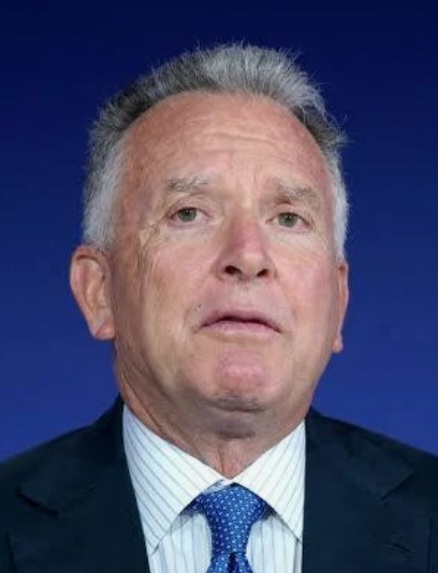
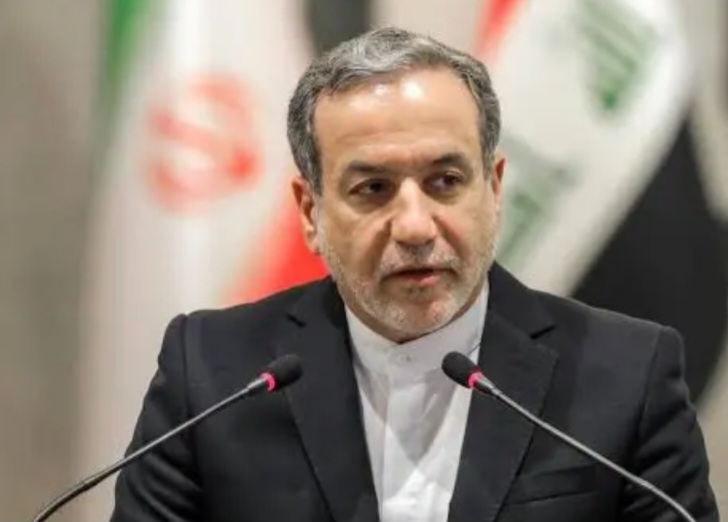
In a critical diplomatic move intended to stave off wider conflict in the Middle East, U.S. Special Envoy Steve Witkoff and Iranian Foreign Minister Abbas Araghchi are scheduled to meet this Friday in Istanbul to discuss resuming nuclear diplomacy between Washington and Tehran. The meeting represents the first formal engagement between the two sides since talks collapsed and hostilities flared last year.
The talks occur amid intense regional and international efforts to prevent escalation into open war, with mounting military posturing on both sides.
Though formal participant lists vary by report, regional foreign ministers and senior representatives from key Middle Eastern countries, including Turkiye, Qatar Egypt. Oman. Saudi Arabia and Pakistan, are widely expected to be involved.
Regional engagement signals that this isn’t routine diplomacy — the meeting brings powerbrokers together at a moment of acute risk, underscoring how proximate the region has come to broader confrontation and why diplomatic channels are being tested.
According to reports, the dialogue will be narrowly focused on nuclear issues rather than a broad political agenda. Iranian authorities have repeatedly rejected previous U.S. demands to completely halt nuclear enrichment or to place constraints on ballistic missile capabilities. Tehran insists that any negotiations must respect its “rights to peaceful nuclear technology” while rejecting broader preconditions.
While Western capitals may seek wider constraints — including on missiles and regional proxy activities — Tehran’s negotiating stance remains centered on its nuclear program, with strong internal resistance to external dictates.
Inside Iran, senior officials express growing concern that a U.S. military strike — even a limited one — could ignite renewed public protests and further destabilize the regime. Sources say Iranian leadership fears that years of hardline suppression, culminating in the deadliest domestic unrest since the 1979 revolution, have heightened public anger and reduced the regime’s capacity to contain mass movements.
This dynamic raises stakes for both Tehran and Washington: a military escalation risks not just geopolitical war but internal turbulence with unpredictable outcomes.
While diplomacy is being pursued, core disagreements remain deep, and military postures on both sides complicate the outlook. If negotiations falter, the risk of escalation — including military action — continues to loom large. Analysts caution that trust deficits and differing objectives could make meaningful progress difficult: Tehran wants respect for sovereign nuclear rights, while Washington seeks enforceable limits.
 Eurasia Post
Leave a comment